
Natural Collagen Support: Ayurveda for Midlife Skin & Hair

Updated: Feb 3
Aging skin isn’t just about wrinkles. It’s about dryness, thinning, fragility, dullness, and loss of elasticity—changes many women notice sharply after 40. Hair may become finer, shed more easily, or turn gray seemingly overnight. And despite expensive products or procedures, radiance can feel harder to maintain.
From an Ayurvedic perspective, these shifts are not random—and they’re not just cosmetic. They reflect a deeper, systemic transition known as Vata aging.
In this article, we’ll explore how Ayurveda understands collagen loss, skin and hair changes in midlife, the role of thyroid health and deficiencies in graying hair, and how integrative anti-aging rituals—both ancient and modern—can restore glow from the inside out.

Why Natural Collagen Support Declines in Midlife
In Western medicine, midlife skin aging is often attributed to:
Declining estrogen
Reduced collagen and elastin production
Oxidative stress and inflammation
Slower cellular turnover
Ayurveda doesn’t disagree—but it frames these changes through a broader lens: the natural rise of Vata dosha with age.
Vata governs movement, dryness, nerve function, and catabolism (breakdown). As Vata increases, tissues become lighter, drier, and more fragile unless they are actively nourished.
This is why midlife skin often feels:
Drier despite using moisturizer
Thinner or more crepey
Less resilient
Slower to heal
These are not surface problems. They’re signs of tissue depletion.
Ayurveda’s Approach to Natural Collagen Support
Ayurveda doesn’t use the word collagen, but it describes the qualities collagen provides—firmness, elasticity, lubrication, and glow—through the health of the dhatus, or tissue layers.
Key Dhatus Involved in Collagen-Like Support
Rasa Dhatu, Hydration, and Skin Firmness:
Governs hydration, suppleness, softness, and glow
When depleted: dry, dull, rough skin; poor lubrication; fine lines appear early
Asthi Dhatu, Structural Strength, and Sagging Skin
Governs strength, density, and support for connective tissues
When weakened: sagging skin, fragile joints, brittle nails, hair thinning
Modern Ayurvedic writers explicitly connect loose or sagging skin to the decline of deeper tissues—not just surface dryness. In other words, collagen loss isn’t a topical issue alone; it reflects under-nourished inner layers.
Vata Aging and Natural Collagen Support for Skin
Ayurveda describes later life as a Vata-predominant stage. When Vata rises unchecked, it expresses as:
Dry, thin, rough skin
Increased wrinkles and fine lines
Loss of elasticity and “bounce”
Fragility of hair, nails, bones, and joints
This is often called “Vata skin”—and it tends to age faster unless deeply nourished.
Importantly, this doesn’t mean everyone ages the same way. Pitta-dominant people may notice redness or pigmentation, while Kapha-dominant people may struggle with congestion. But Vata dryness eventually touches everyone in midlife.

How Ayurveda Approaches Anti-Aging Skin Care
Ayurveda sees radiance (ojas) as the result of:
Nourished tissues
Clear blood
Balanced doshas
A calm nervous system
Ayurvedic Oils That Enhance Natural Collagen Support
Kumkumadi Taila (Saffron Oil)
A classical facial oil made with saffron, sandalwood, manjistha, and other varnya (complexion-enhancing) herbs. It’s traditionally used for:
Uneven tone
Pigmentation
Dullness
Fine lines
Nalpamaradi Taila
A turmeric- and amalaki-rich oil used for full-body massage or pre-bath rituals. It’s known for:
Brightening
Deep hydration
Supporting skin elasticity
Daily Abhyanga Oils
Warm sesame or almond oil are staples for Vata-type dryness. Regular oil massage:
Softens skin
Improves circulation
Supports joints and connective tissue
Calms the nervous system (key for skin aging)
Internal Rasayana for Natural Collagen Support
Topical “Glow” Herbs
Turmeric (Haridra): Brightens, calms inflammation, supports even tone
Manjistha: Blood-purifying; reduces pigmentation and dullness
Saffron, sandalwood, rose: Core varnya herbs for luminosity and refinement
Internal Rasayana for Skin & Collagen Support
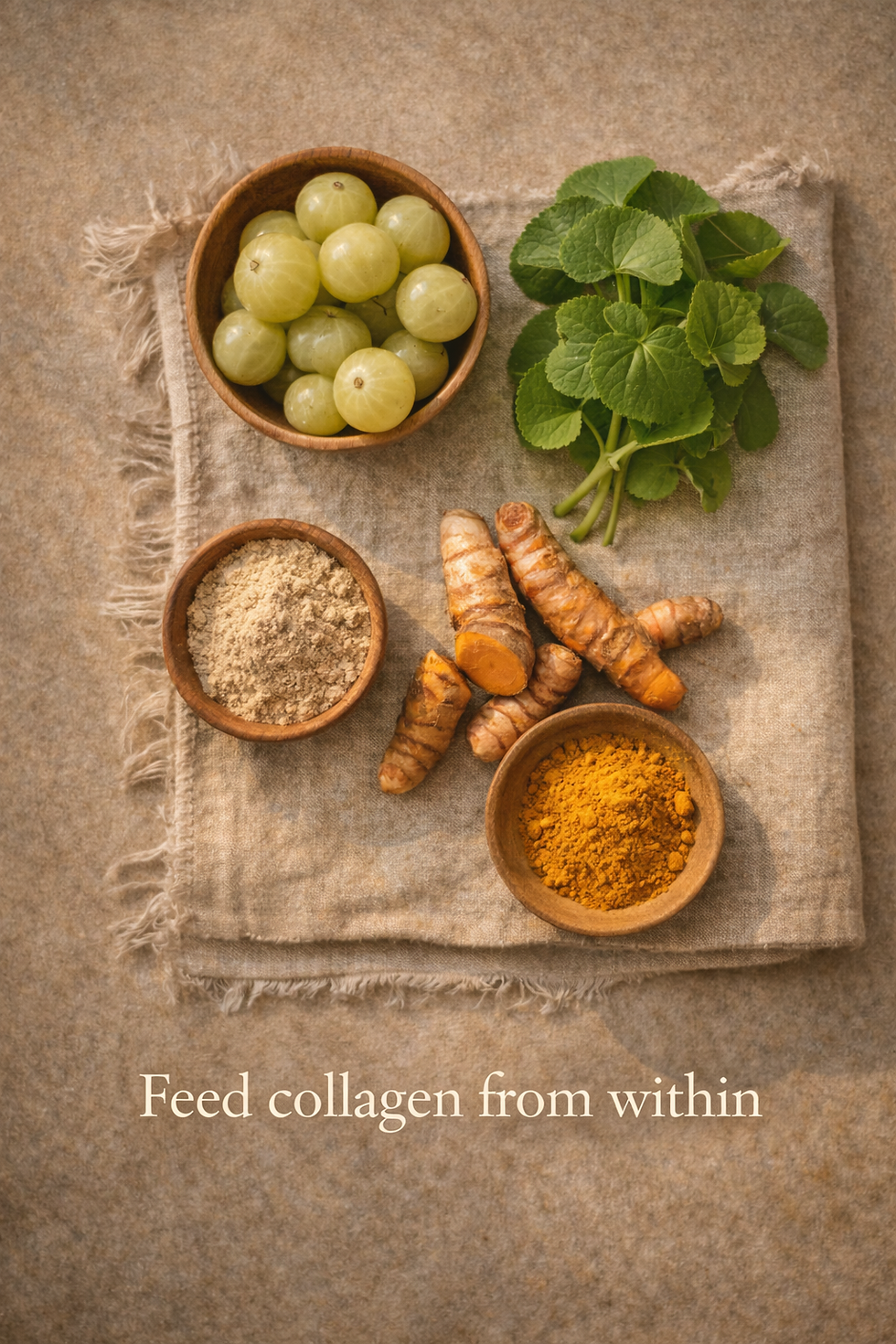
Amalaki (Indian gooseberry): A premier rasayana for skin, digestion, and immunity
Triphala: Supports detoxification and absorption
Guduchi, aloe, gotu kola: Nourish connective tissue and support regeneration
Ayurveda emphasizes that topical glow is limited without internal nourishment. Skin reflects digestion.

Gray Hair, Thyroid Health, and Natural Collagen Support
Graying hair is often dismissed as purely genetic. Ayurveda sees it differently.
Pitta, Vata, and Hair Pigment Loss
Premature or rapid graying is linked to:
Aggravated Pitta at the hair root (overheating, inflammation)
Vata depletion drying and weakening tissues
Chronic stress, poor sleep, overheating foods, smoking
Hair color is governed by Bhrajaka Pitta, which also influences skin tone.
Thyroid Imbalance, Nutrient Deficiency, and Tissue Depletion
Ayurveda associates thyroid disorders with galaganda, involving:
Weak tissue metabolism (dhatvagnimandya)
Ama (toxic buildup)
Blocked nutrient delivery to skin and hair
Common signs:
Dry skin
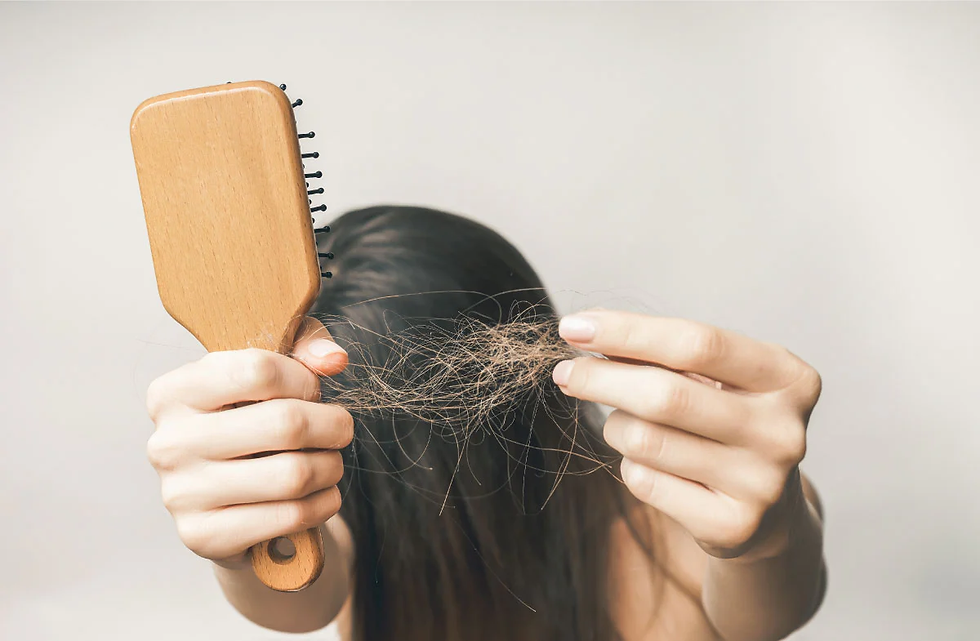
Hair thinning or shedding
Early graying
Fatigue, cold intolerance
Deficiencies & Absorption
Even with adequate intake, weak digestion can lead to:
Iron deficiency
Mineral depletion (calcium, trace elements)
Poor nourishment of asthi dhatu, which supports hair strength and pigment
Hair loss and graying are often signals of deeper tissue under-nourishment, not just cosmetic issues.
Integrative Anti-Aging Rituals for Natural Collagen Support
When you step back and look across cultures, one thing becomes clear: the most enduring approaches to skin aging were never about forcing youth. They were about preserving vitality—gently, consistently, and from the inside out.
Despite vast differences in geography and tradition, effective anti-aging rituals around the world follow remarkably similar principles. Each culture learned, in its own way, that skin reflects how well the body is nourished, protected, and soothed.
Ayurveda (India): Nourishment as Daily Medicine
In Ayurveda, aging skin is addressed long before wrinkles appear. Regular oil massage (abhyanga) is used to counter dryness, improve circulation, and protect the skin’s elasticity as Vata rises with age. Herbal grain masks (ubtan) cleanse without stripping, while rasayana herbs are taken internally to nourish tissues, digestion, and vitality—because skin health is inseparable from what’s happening beneath the surface.
East Asia: Prevention Through Gentleness
In Japan, China, and Korea-influenced traditions, skin care centers on prevention rather than correction. Gentle cleansing, light layering of hydration, and fermented ingredients support the skin barrier and microbiome without overstimulation. Daily sun protection is considered foundational—not optional—reflecting the belief that preserving collagen is easier than trying to rebuild it later.
Mediterranean & Middle Eastern Traditions: Oils, Steam, and Renewal
Here, skincare rituals evolved around natural oils and bathing practices. Olive and argan oils serve as cleansers and moisturizers, while honey, yogurt, and clay masks gently exfoliate and replenish the skin. Steam baths and hammam-style rituals encourage circulation, detoxification, and regular renewal—softening the skin while reducing physical and emotional tension.
African & Indigenous Traditions: Barrier Repair and Simplicity
Across many African and Indigenous cultures, skin care prioritizes protection and resilience. Shea butter is used to repair and strengthen the skin barrier against harsh climates, while aloe, plant clays, and botanical oils soothe, heal, and hydrate. These traditions favor minimal, whole-plant ingredients—trusting the intelligence of nature over complexity.
The Shared Wisdom
Across all of these systems, the message is the same:
Gentle care. Rich, nourishing oils. Reduced stress. And deep nourishment from within.
Natural collagen support isn’t created through aggressive treatments or constant stimulation. It’s preserved through ritual, rhythm, and respect for the body’s pace.
When skin is cared for patiently and consistently, it doesn’t just look better—it ages with strength, softness, and integrity.
A Daily Skin Ritual That Protect Elasticity
You don’t need a complicated routine to support aging skin. What matters most is consistency, nourishment, and rhythm. This daily ritual is designed to protect elasticity and support collagen-like resilience by feeding the tissues—never forcing turnover.
Morning: Set the Tone for the Skin
Begin with a gentle cleanse—nothing foaming or stripping. While the skin is still slightly damp, mist with rose or vetiver water to hydrate and calm. Finish with 2–3 drops of kumkumadi oil, pressed softly into the skin to seal in moisture and support radiance throughout the day.
Several Times a Week: Replenish Deep Moisture
Three to five times per week, warm a small amount of sesame or almond oil and massage it into the body before showering. This traditional practice, known as abhyanga, helps counter dryness, improves circulation, and keeps the skin supple as elasticity naturally declines with age.
Daily from Within: Feed the Tissues
True skin resilience begins internally. Take amalaki each day—whether as a powder, juice, or chyawanprash-style preparation—to support digestion, nutrient absorption, and long-term tissue nourishment.
Lifestyle Foundations: Protect What You Build
Eat meals at regular times, aim to sleep before 10 p.m., and prioritize simple stress-reducing habits. A calm nervous system is one of the most powerful protectors of skin integrity and aging well.
This routine supports elasticity not by accelerating skin turnover, but by nourishing the tissues steadily and deeply—the Ayurvedic way to age with strength, softness, and glow.
Pitta-Specific Skin Ritual
For sensitive, red, inflamed, or pigmented skin
Cleanse
Gentle, cooling cleanser
Hydration
Rose or sandalwood water
Oil
Kumkumadi (night use only if sensitive)
Body Care
Coconut or sunflower oil abhyanga 2–3x/week
Internal
Amalaki for cooling and antioxidant support
Lifestyle
Avoid overheating, prioritize rest and emotional balance
Goal: Calm inflammation while preserving elasticity and glow.
Vata-Specific Skin Ritual
For dry, thin, fragile, or prematurely aging skin
Cleanse
Creamy, non-foaming cleanser
Hydration
Rose or vetiver water
Oil
Kumkumadi or almond oil (slightly warmed)
Body Care
Sesame oil abhyanga 4–5x/week
Internal
Daily Amalaki + healthy fats
Lifestyle
Warm meals, early bedtime, minimize overstimulation
Goal: Deep nourishment, warmth, and moisture to slow accelerated aging.
Kapha-Specific Skin Ritual
For thick, oily, congested, or sluggish skin
Cleanse
Light gel or herbal cleanser
Hydration
Vetiver or herbal toner
Oil
Very light application of Kumkumadi or none in morning
Body Care
Dry brushing + light oil abhyanga 1–2x/week
Internal
Amalaki to support metabolism and circulation
Lifestyle
Regular movement, avoid heavy late meals
Goal: Support circulation and renewal without heaviness.
Aging Gracefully by Feeding the Tissues
In Western terms, midlife aging shows up as collagen loss, wrinkles, sagging skin, hair thinning, and graying.
In Ayurvedic terms, the same pattern reflects:
Rising Vata with age
Depletion of rasa (hydration) and asthi (structural tissue)
Disturbed digestion and absorption
A nervous system in need of grounding
True anti-aging isn’t about fighting time. It’s about feeding the tissues so time has less to erode.
Radiance is rebuilt—not injected—through nourishment, rhythm, oil, and care.

FAQ 1: What is natural collagen support?
Answer: Natural collagen support refers to lifestyle, dietary, and herbal approaches that help the body maintain skin firmness and elasticity without relying solely on supplements. Ayurveda supports collagen by nourishing hydration (rasa dhatu), structural tissue (asthi dhatu), digestion, and the nervous system.
FAQ 2: How does Ayurveda support natural collagen production?
Answer: Ayurveda supports natural collagen through internal nourishment, warm oil massage (abhyanga), rasayana herbs like amalaki and gotu kola, and Vata-balancing routines that reduce dryness and tissue breakdown associated with aging.
FAQ 3: Why does collagen decline faster after 40?
Answer: After 40, rising Vata dosha increases dryness, catabolism, and tissue fragility. From an Ayurvedic perspective, this leads to under-nourished skin and connective tissue unless hydration, fats, digestion, and rest are actively supported.
FAQ 4: Can natural collagen support help with sagging skin?
Answer: Yes. Natural collagen support focuses on improving hydration, circulation, and tissue nourishment from within. Ayurvedic oils, herbs, and daily rituals help restore elasticity and slow sagging by strengthening deeper tissue layers.
FAQ 5: Is natural collagen support better than collagen supplements?
Answer: Natural collagen support addresses the root causes of collagen loss—poor digestion, dryness, stress, and tissue depletion—rather than relying on supplements alone. Ayurveda emphasizes absorption, nourishment, and balance to support long-term skin health.
Continue the series
Sexual Vitality and Libido in Midlife: An Ayurvedic Perspective
Natural Chronic Pain Relief: Midlife Pain Relief Through Ayurveda
Gut Health, Microbiome & Immune Aging: An Ayurveda Guide to Healthy Digestion After 40
The Longevity of Ritual: Why Ancient Practices Hold Clues to Aging Gracefully
The Stress Code: How Ancient Mindfulness Practices Buffer Epigenetic & Biological Aging
The Epigenetic Kitchen: How Ancestral Diets Rewire Our Genes for Longevity
Sacred Rest: Why Ancient Sleep Rituals May Hold the Secret to Aging Well
The Breath of Life: Ancient Breathing Practices as Mitochondrial Medicine
Fasting Across Cultures: How Ancient Cycles of Abstinence Activate the Longevity Switch
Rituals of Connection: The Epigenetics of Community, Love, and Longevity
Movement with Meaning: From Tai Chi to Yoga as Cellular Longevity Therapy
Sacred Plants, Modern Science: Epigenetic Insights from Ancient Herbal Rituals
References
Paavani Ayurveda. Rasa dhatu and the Ayurvedic connection between hydration and skin health. Accessed January 2026.https://paavaniayurveda.com/blogs/the-ayurvedic-lifestyle/rasasara-begins-with-rasa-dhatu-the-ayurvedic-connection-between-hydration-skin-health
The Ayurveda Experience. Dhatus: an introduction to Ayurveda’s seven tissue layers. Accessed January 2026.https://blog.theayurvedaexperience.com/dhatus-an-introduction-to-ayurvedas-7-tissue-layers/
Sreedhareeyam Ayurvedic Hospital. Ayurvedic insights into osteoporosis and tissue depletion. Accessed January 2026.https://www.sreedhareeyam.com/hospital/blog/ayurvedic-insights-into-osteoporosis-120
The Ayurveda Experience. Ayurvedic remedies for sagging skin and aging gracefully. Accessed January 2026.https://blog.theayurvedaexperience.com/ayurvedic-remedies-for-sagging-skin-and-to-age-gracefully/
Better Bones. Ayurveda for osteoporosis and Vata aging. Accessed January 2026.https://betterbones.com/unknown/ayurveda-for-osteoporosis/
Shankara Ayurveda. How Ayurveda helps delay skin aging. Accessed January 2026.https://blog.shankara.com/ayurveda-day-5-ways-ayurveda-can-help-you-delay-skin-aging/
Cymbiotika. Ayurvedic treatments for loose skin: a holistic approach. Accessed January 2026.https://cymbiotika.com/blogs/health-hub/exploring-ayurvedic-treatments-for-loose-skin-a-holistic-approach-to-rejuvenation
Sri Sri Ayurveda Hospital. The seven dhatus according to Ayurveda. Accessed January 2026.https://srisriayurvedahospital.org/the-7-dhatus-according-to-ayurveda/
Art of Living Retreat Center. Ayurveda for dry skin and Vata imbalance. Accessed January 2026.https://artoflivingretreatcenter.org/blog/ayurveda-for-dry-skin/
Ciamor. Preventing premature aging in Vata skin. Accessed January 2026.https://ciamor.com/blogs/post/preventing-premature-aging-in-vata-skin
Maharishi Ayurveda India. Ayurvedic herbs for naturally brighter skin. Accessed January 2026.https://maharishiayurvedaindia.com/blogs/wellness-need/ayurvedic-herbs-for-naturally-brighter-skin
Sadhev. Abhyanga and Ayurvedic self-massage for healthy skin. Accessed January 2026.https://sadhev.com/blogs/journal/abhyanga-ayurvedic-self-massage-for-healthy-skin
Soma Wellness. Ayurvedic oil massage and skin rejuvenation. Accessed January 2026.https://www.soma-wellness.com/blog/ayurvedic-oil-massage
Keva Ayurveda. Top rasayana herbs for rejuvenation and longevity. Accessed January 2026.https://www.kevaayurveda.com/2025/11/29/top-rasayana-herbs-and-ayurvedic-therapies-for-rejuvenation-and-longevity/
Easy Ayurveda. Rasayana therapy in Ayurveda. Accessed January 2026.https://www.easyayurveda.com/2018/02/26/rasayana-therapy/
Traya Health. Ayurvedic view on greying and hair loss. Accessed January 2026.https://traya.health/blogs/hair-health/ayurvedic-view-on-greying-and-hair-loss
Times of India. How to prevent premature greying of hair the Ayurveda way. Accessed January 2026.https://timesofindia.indiatimes.com/life-style/health-fitness/health-news/how-to-prevent-premature-greying-of-hair-the-ayurveda-way/articleshow/121110528.cms
AVCRI. Ayurvedic management of thyroid disorders (Galaganda). Accessed January 2026.https://www.avcri.org/post/exploring-ayurvedic-management-of-thyroid-disorders-galaganda-hypothyroidism-in-ayurveda
Sreedhareeyam Ayurvedic Hospital. Ayurvedic treatment for thyroid disorders. Accessed January 2026.https://www.sreedhareeyam.com/hospital/blog/ayurvedic-treatment-for-thyroid-disorders-131
Om Vedic Heritage. Hair loss and premature greying in Ayurveda. Accessed January 2026.https://omvedicheritage.com.sg/ayurveda/hair-loss-premature-greying/

Comments